
Why Use RFID UHF Flexible Anti-metal Tags
1. What is a RFID flexible anti-metal tag?
With the rapid development of Internet of Things technology, RFID (Radio Frequency Identification) technology is being used more and more widely in all walks of life. Among them, RFID FPC (Flexible Printed Circuit) tags, as a new type of RFID tags, are becoming the focus of market attention due to their unique advantages.
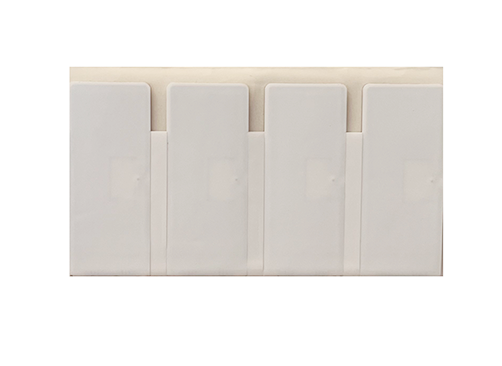
1. What is a RFID flexible anti-metal tag?
RFID UHF flexible anti-metal tag is an electronic tag designed for metal surfaces and can work stably in metal environments. Unlike ordinary RFID tags, this tag uses a special antenna design and anti-interference materials to ensure excellent reading and writing performance on metal objects.
Flexible UHF anti-metal tags are suitable for various complex environments such as industrial manufacturing, logistics warehousing, asset management and other fields.
2. Features
(1) Strong anti-metal interference ability
When ordinary RFID tags are used on metal surfaces, the signal is easily interfered with, resulting in a shortened reading distance or even failure. However, the flexible anti-metal tag uses a special antenna structure and electromagnetic isolation technology to effectively reduce the interference of metal on RFID signals and ensure stable communication.
(2) Flexible and durable
It uses a flexible substrate (such as PET ), which is bendable and fold-resistant, suitable for curved or uneven metal surfaces, and is not easily damaged by mechanical stress.
(3) High temperature resistance and corrosion resistance
Some models can withstand high temperatures (-40°C to 200°C) and chemical corrosion, and are suitable for harsh industrial environments such as automobile manufacturing, chemical industry, power industry, etc.
(4) Ultra-thin and lightweight
Compared with traditional anti-metal labels, flexible anti-metal labels are thinner and lighter (thickness can be as low as 1.2mm), easy to stick or embed on the surface of the device without affecting the original structure.
(5)Long range reading
Supports UHF (ultra-high frequency) RFID technology with a reading distance of up to several meters (typical range 3-10 meters), suitable for automated warehousing and logistics management.
3. Advantages and disadvantages of RFID flexible anti-metal tags
Advantage
Strong adaptability: can work stably on metal surfaces, suitable for various scenarios such as industry, logistics, and medical treatment.
Easy installation: flexible design can fit curved surfaces without additional fixings.
High durability: anti-vibration, high temperature resistance, and corrosion resistance, suitable for harsh environments.
Batch identification: supports reading multiple tags at the same time to improve inventory and management efficiency.
Shortcoming
Higher cost: Anti-metal tags are more expensive than ordinary RFID tags.
Depends on RFID reading and writing equipment: RFID readers and writers are required, and the initial investment is large.
Extreme environments may affect performance: For example, strong electromagnetic interference or extreme high temperatures (over 200°C) may reduce the life of the tag.
4. Application scenarios of RFID flexible anti-metal tags
(1) Industrial Manufacturing and Equipment Management
Equipment Tracking: Used for asset management of machine tools and production line equipment, and recording maintenance information.
Tool Management: Attach labels to metal tool boxes or tools for quick inventory.
(2)Logistics and warehousing
Metal Shelf Management: Used on metal shelves or pallets in warehouses to optimize inventory management.
Container Tracking: Used for metal container identification in sea or rail transportation.
(3)Power and energy industry
Power equipment management: identification and maintenance records of metal equipment such as transformers and electric meters.
Oil pipeline monitoring: installing tags on metal pipelines to record maintenance data
(4)Automobile and aviation manufacturing
Parts traceability: Used on metal automobile parts to achieve production process management.
Aircraft maintenance records: Used to track the maintenance and replacement of aircraft metal parts.
(5) Medical and laboratory equipment
Medical instrument management: such as RFID management of metal surgical instruments and medical equipment.
Laboratory sample tracking: Applicable to the identification of biological samples in metal containers.
5. Conclusion
RFID flexible anti-metal tags play an important role in industry, logistics, medical and other fields due to their advantages of anti-interference, flexibility, durability, and long-distance reading and writing. Despite the high cost, their efficient data collection capabilities and environmental adaptability make them one of the best choices for metal asset management.
With the continuous development of RFID technology, flexible anti-metal tags will be more widely used in smart manufacturing, the Internet of Things (IoT) and other fields, promoting the digital upgrade of enterprises.
If you are looking for RFID solutions suitable for metal environments, flexible anti-metal tags are undoubtedly an efficient tool worth considering!
Recommended RFID UHF anti-metal tags
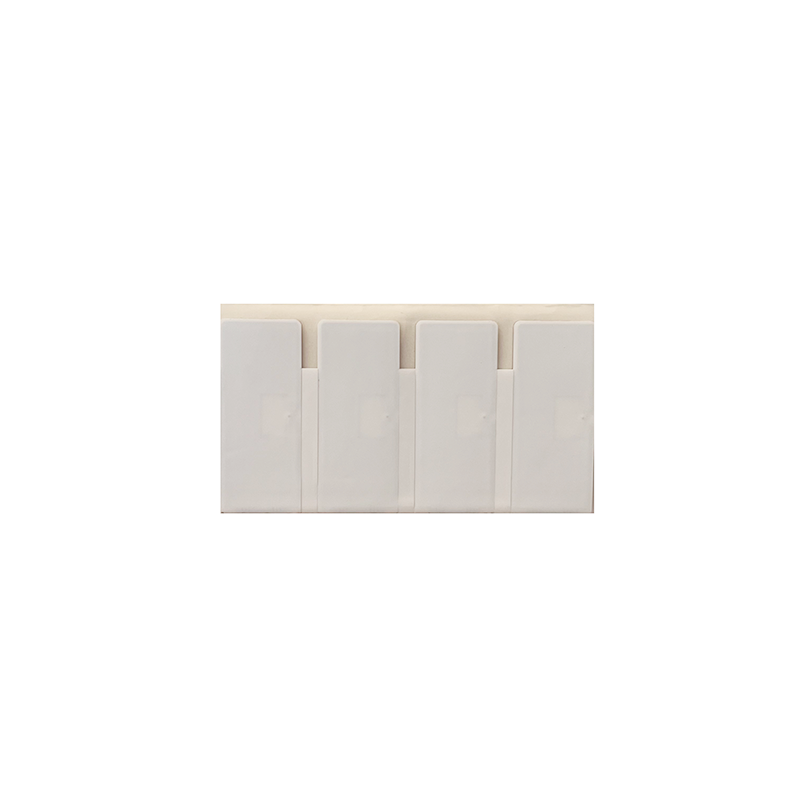
Model: LT-UHF on-metal tag
Label Size: 30*15(R6P)
60*25(R6P) 95*22(U9/9XE) 90*22(U9/9XE) 80*22(U9/9XE) 65*35(R6P/U9) 70*30(U9/9XE) 80*40(U9/9XE) 55*15(R6P)
Chip : NXP UCODE 9 ,Impinj r6/r6p
Reading Distance:5-10cm
Material: PET or customized