Application of RFID in the footwear and clothing industry | Lanto
Driven by the wave of digitalization, RFID technology is reshaping the operating model of the footwear and apparel industry. This radio identification technology, which was born during World War II, has become the core driving force for the digital transformation of the footwear and apparel industry after decades of development. From the initial simple identification to the full-process digital management today, the evolution of RFID technology perfectly matches the digital transformation needs of the footwear and apparel industry.
Industry changes brought about by RFID technology
By embedding RFID tags in products, companies can achieve visual tracking of the entire process from raw material procurement, production and processing, warehousing and logistics to terminal sales. By deploying an RFID system, Nike has improved its supply chain efficiency by 40%, and its inventory accuracy has reached over 99%.
At retail terminals, RFID technology has brought about a revolutionary upgrade in consumer experience. Consumers only need to place the product in front of the smart fitting mirror to obtain detailed product information, matching suggestions and inventory status. After UNIQLO deployed the RFID system in stores around the world, the inventory time of a single item was shortened from minutes to seconds, significantly improving operational efficiency.

The intelligent transformation of inventory management is another major change brought about by RFID technology. Traditional periodic inventory counting was replaced by real-time inventory monitoring, and the inventory accuracy rate increased to more than 99.9%. Zara uses the RFID system to conduct inventory of the entire store twice a week, reducing the out-of-stock rate by 30% and increasing sales by 5%.

Key breakthrough points in technology application
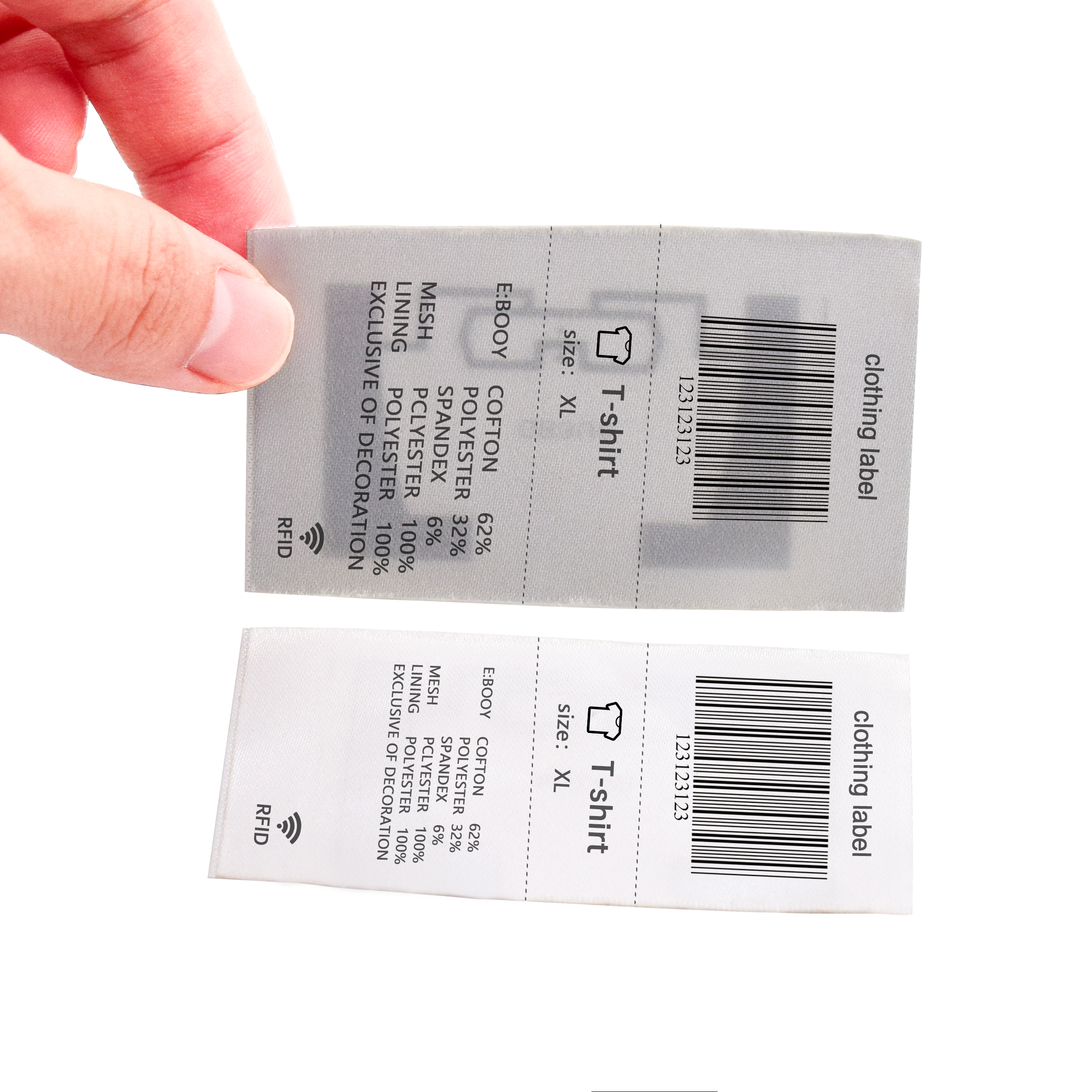
Innovation in label technology is the basis for RFID applications. The new generation of ultra-thin flexible RFID tags are only 0.1mm thick and can be directly sewn into clothing or embedded in shoe soles, which does not affect the appearance of the product while ensuring the reading effect. The smart sports shoe series launched by Adidas combines RFID tags with sensors to achieve real-time collection and analysis of sports data.

The performance improvement of reading and writing devices provides the possibility for large-scale applications. The latest RFID reader can read 2,000 tags simultaneously within a distance of 10 meters, with a reading speed of 500 times per second. The high-performance RFID system deployed by Decathlon in its logistics center has increased sorting efficiency by 60% and reduced labor costs by 50%.
The intelligent upgrade of the data analysis platform is the key to maximizing the value of RFID technology. Through machine learning algorithms, companies can accurately predict sales trends and optimize inventory structures. Through RFID data analysis, Li Ning has shortened the replenishment cycle of best-selling items by 50% and increased the processing efficiency of slow-selling items by 70%.
Future Development Trends and Challenges
Deep integration with the Internet of Things is an inevitable trend in the development of RFID technology. By connecting the RFID system with smart fitting rooms, smart shelves and other equipment, a comprehensive smart retail scenario can be created. The smart store being built by Heilan Home realizes an “unattended” shopping experience through the combination of RFID and IoT technology.
Data security and privacy protection are the main challenges facing the application of RFID technology. A complete data encryption mechanism and access control system need to be established to ensure the security of consumer information. The EU’s upcoming Digital Services Act imposes stricter requirements on the use of RFID data.
Standardization construction is the prerequisite for large-scale application of RFID technology. At present, global RFID standards have not yet been fully unified, affecting the cross-regional application of technology. International organizations such as EPCglobal are actively promoting the formulation and improvement of RFID standards.

The application of RFID technology in the footwear and apparel industry not only brings efficiency improvement and cost reduction, but more importantly, promotes the digital transformation of the entire industry. With the continuous advancement of technology and the expansion of application scenarios, RFID will become the core infrastructure for the intelligent upgrade of the footwear and apparel industry. In the future, RFID technology will be deeply integrated with emerging technologies such as artificial intelligence and big data to create greater value for the footwear and apparel industry. In this digital era, embracing RFID technology has become an inevitable choice for footwear and apparel companies to stay competitive.